by admin | Jun 2, 2026 | Community, Community Network
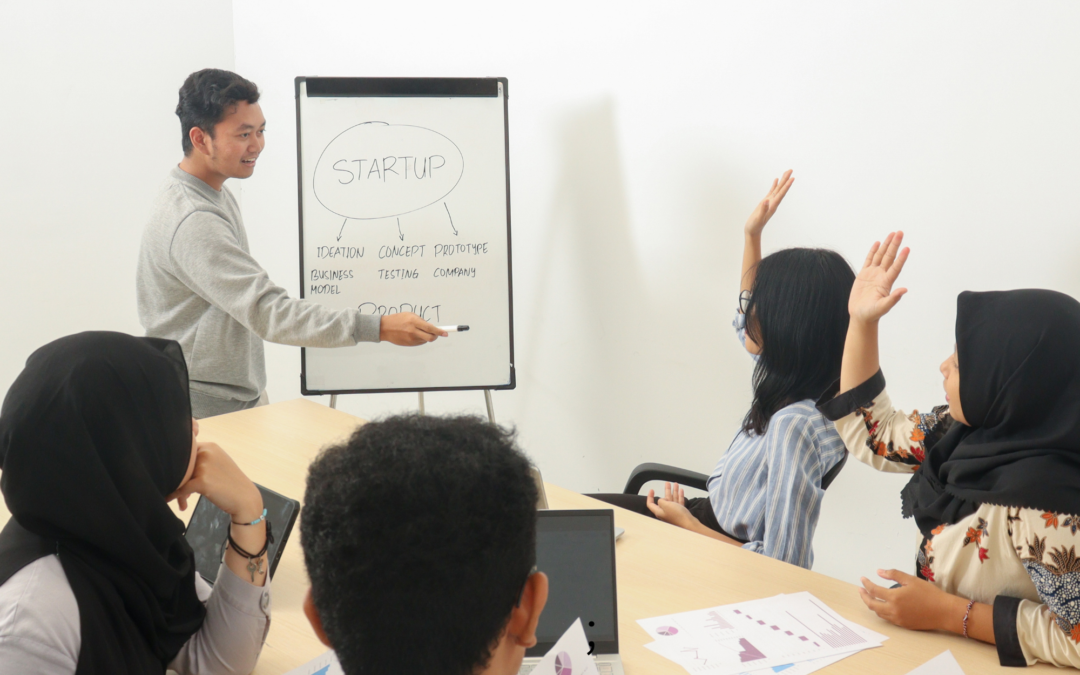
Leadership does not always begin on a stage. Sometimes, leadership begins when a young person chooses to help set up chairs, welcome someone at the door, serve at a community event, encourage a peer, or offer their time to make someone else’s day better.
At Inspire & Empower Canada Network Inc., we believe youth leadership is developed through action. Young people need safe spaces where they can learn, practice, make mistakes, receive guidance, and grow. That is why mentorship and volunteer training are so important.
Many youth want to help their communities, but they do not always know where to begin. Some lack confidence. Some have never been taught how to communicate in a professional setting. Others may not understand boundaries, teamwork, responsibility, or how to represent an organization. A structured volunteer training program gives youth the tools they need before they step into service.
Through volunteer training, youth learn that leadership is not about being the loudest person in the room. Leadership is about responsibility, respect, consistency, kindness, and the willingness to serve. A youth leader is someone who can listen, support others, follow through, and contribute positively to the group.
Mentorship also plays a major role. When young people are surrounded by caring adults and positive role models, they begin to believe in their own potential. They learn that their voice matters. They learn how to set goals, make wise decisions, and use their gifts to help others.
Community service also helps youth understand the needs around them. They begin to see that families may need support, women may need encouragement, newcomers may need connection, and other youth may need friendship and guidance. This awareness helps young people develop compassion and social responsibility.
The Youth Volunteer Leadership & Community Impact Program is designed to train youth to lead through service. Participants learn communication, teamwork, professionalism, event support, outreach, problem-solving, confidence-building, and employment readiness skills. These are not only volunteer skills — they are life skills.
When youth are trained well, they become more than volunteers. They become helpers, organizers, encouragers, peer leaders, and community builders.
Our goal is to raise a generation of young people who are confident enough to lead, humble enough to serve, and prepared enough to make a positive impact wherever they go.
Youth do not need to wait until they are older to make a difference. With the right support, they can begin now.
Inspire & Empower Canada Network Inc. invites youth, parents, schools, community groups, and partners to connect with us and learn more about our Youth Volunteer Leadership & Community Impact Program.
Home
by admin | Mar 6, 2026 | Community, Community Network
Community training programs provide accessible learning opportunities that can transform lives. These programs focus on practical skills and knowledge that help individuals improve their personal and professional prospects.
Unlike traditional academic programs, community training initiatives often focus on real-world application. Participants gain hands-on experience that prepares them for employment, entrepreneurship, and personal growth.
Programs that offer digital literacy training, leadership development, and entrepreneurship education create pathways for individuals who may not have access to traditional educational resources.
Community training initiatives also encourage collaboration and peer learning. Participants often share ideas, experiences, and support that contribute to a positive learning environment.
By providing opportunities for learning and development, community programs help individuals build the confidence and skills needed to pursue new opportunities and improve their quality of life.
https://iecn.ca
by admin | Mar 6, 2026 | Life Skills
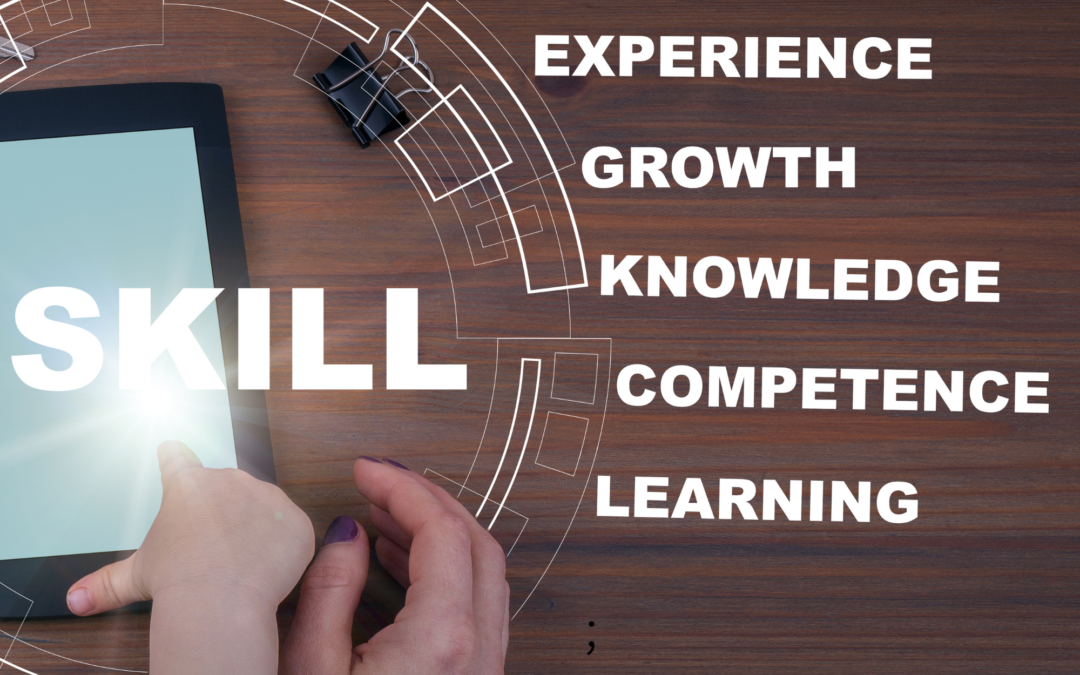
Life skills are the foundation for personal and professional success. Skills such as communication, problem-solving, time management, and decision-making help individuals navigate everyday challenges.
Life skills training programs provide practical guidance that prepares individuals for real-world situations. These programs often include workshops, discussions, and interactive learning experiences designed to build confidence and independence.
For many youth, life skills programs provide valuable tools that are not always taught in traditional educational settings. Learning how to manage responsibilities, communicate effectively, and set goals can make a significant difference in a young person’s development.
Confidence grows when individuals feel prepared to face challenges and make informed decisions. Life skills training empowers participants to approach opportunities with a sense of readiness and determination.
Communities that invest in life skills education help individuals build stronger foundations for long-term
https://iecn.ca

by admin | Mar 6, 2026 | Youth Mentorship
Mentorship programs play a powerful role in shaping the future of young people. A mentor provides guidance, encouragement, and support that can help individuals overcome challenges and stay focused on their goals.
Many youth benefit from having a trusted adult who can offer advice, share experiences, and provide encouragement during important stages of their development. Mentorship relationships create opportunities for learning that extend beyond traditional classroom environments.
Community mentorship programs often focus on personal growth, career exploration, and leadership development. Mentors can help youth identify their strengths and discover opportunities that align with their interests and abilities.
The impact of mentorship can extend far beyond the individual. When young people are supported and empowered, they are more likely to become positive contributors to their communities.
Mentorship strengthens communities by building relationships that encourage growth, confidence, and opportunity.
https://iecn.ca

by admin | Mar 6, 2026 | Leadership
Leadership skills are essential for personal growth and community development. When young people are given opportunities to develop leadership abilities, they learn to take initiative, make responsible decisions, and positively influence others.
Leadership development programs encourage youth to explore their strengths and understand the value of teamwork and collaboration. These programs often include activities that promote communication skills, confidence building, and problem-solving.
Youth leadership training also helps individuals understand the importance of responsibility and community engagement. By encouraging youth to participate in leadership roles, organizations can help them develop the confidence needed to contribute to positive change.
Leadership is not only about guiding others but also about personal growth. When young people learn how to lead, they also learn how to listen, collaborate, and support others around them.
Developing leadership skills at an early stage prepares youth for future roles in education, careers, and community involvement.
https://iecn.ca

by admin | Mar 6, 2026 | Community
Many young people leave school without the practical skills needed to confidently enter the workforce. Job readiness training plays an important role in preparing youth for employment by equipping them with essential workplace skills.
Programs that focus on job readiness often include resume writing, interview preparation, communication skills, and professional etiquette. These skills help young people present themselves confidently when seeking employment opportunities.
Beyond technical skills, job readiness training also focuses on personal development. Learning how to work in teams, manage time effectively, and communicate professionally can significantly improve a young person’s chances of success in the workplace.
Community-based programs that offer job readiness support create pathways for youth who may face barriers to employment. With the right guidance and training, young people can build the confidence needed to pursue meaningful careers.
Investing in youth employment preparation not only benefits individuals but also strengthens communities by helping young people contribute to economic growth and long-term stability.
Home